The simple habits that support healthy ageing
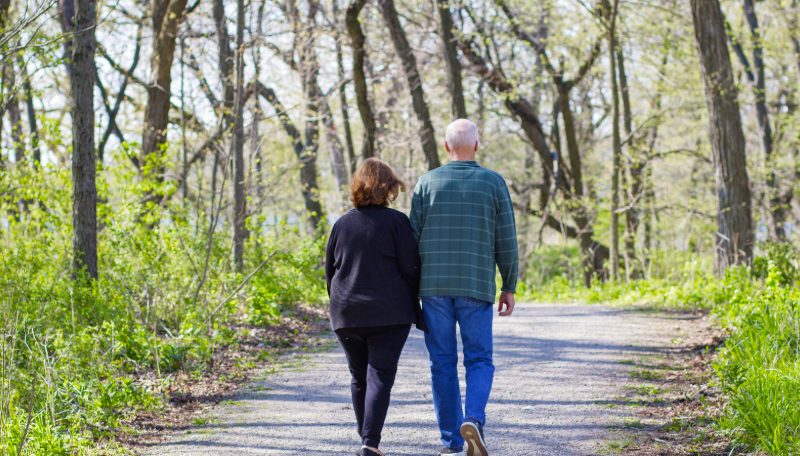
7 simple habits for vibrant, independent, and healthy ageing
Healthy ageing isn't about drastic lifestyle changes. It's about simple, practical choices that add up over time.
Whether you're 55 or 85, whatever you do each day improves your strength, keeps your mind alert, and helps maintain your independence.
Why healthy ageing matters for independence
Australians are living longer than ever before. According to the Australian Institute of Health and Welfare, life expectancy continues to increase, with many Australians now living well into their 80s.
But it's not just about living longer - having a good quality of life is just as important.
Senior wellness means staying physically active, mentally engaged, emotionally balanced, and socially connected. Preventive health plays a huge role in maintaining independence.
When you prioritise movement, nutrition, brain health, and social connection, you're not just adding years to your life - you're adding life to your years.
Active seniors Australia-wide are proving that ageing independently doesn't mean going it alone. It means building habits that support your body, mind, and spirit so you can enjoy your home life and community longer.
7 simple habits for healthy ageing
Habit 1: Keep your body strong with regular activity
Your body needs to move regularly to stay strong and steady.
Forget gym memberships if it’s not your thing. Walking around the block counts. So does stretching while you wait for the toast to pop or working in the garden.
Ageing independently starts with being able to do everyday tasks without difficulty.
Find what works for you, then stick with it. That consistency builds real strength.
Habit 2: Prioritise balance and fall prevention
Falls can be prevented, and improving your balance keeps you confident moving around your home.
Have a good look around your house. Loose mats? Chuck them. Dodgy lighting in the hallway? Fix it. Clear those pathways.
Get your eyes tested regularly because seeing clearly helps you navigate safely. Grab rails in the bathroom or next to steps are cheap and genuinely useful.
Balancing exercises three times a week make a noticeable difference. Practice walking heel-to-toe or try gentle tai chi. Standing on one leg while holding the kitchen bench or brushing your teeth is great for stability.
These aren't huge changes. They're practical ideas that reduce your risk and keep you stable on your feet.
Fall prevention isn't about being scared - it's about being sensible.
Habit 3: Keep your brain active and engaged
Your brain is like a muscle - it needs a bit of a workout to stay in peak condition.
It doesn't have to be hard work, either. If you enjoy crosswords, keep doing them. If you’ve never touched a tablet but want to learn how to video call the grandkids, jump in and give it a go.
Learning a new skill is probably the best thing you can do for your mind. Even just chatting with friends or trying a new recipe keeps your gears turning.
Curiosity is the secret sauce here; as long as you’re trying new things, you’re looking after your cognitive health.
Habit 4: Nourish your body with simple, balanced nutrition
What you eat affects your energy, immunity, and strength. Good nutrition isn't about going on strict diets or buying pricey supplements; it's about eating well most of the time.
Get some protein with each meal to maintain muscle. Load up on vegetables, wholegrains, and fruit for fibre and vitamins.
Calcium keeps bones strong, so milk, cheese, yoghurt, leafy greens, or fortified alternatives all help.
Simple changes stick better than complicated ones. Add an extra veg to lunch and dinner. Keep healthy snacks where you can see them - nuts, fruit, that sort of thing.
Cut back on processed stuff where you can. Cook meals that are easy and taste good.
You don't need to be perfect, but making these small, balanced choices makes a world of difference for your immunity and strength.
Plus, when you eat better, you generally feel better - it’s as simple as that.
Habit 5: Stay socially connected
We’re social creatures, and loneliness affects your health as much as eating poorly or not moving.
Senior wellness includes relationships and a sense of belonging. You don't need dozens of friends; a few meaningful connections matter more. Catch up with a friend for coffee or a drink once a week.
Join a walking group or find a group of like-minded people. If none are around, start one up yourself. Video call the grandkids. Volunteer at something local.
Technology makes staying in touch easier if you learn the basics like messaging apps, social media, whatever works.
If getting out is tricky, phone calls count. So do online communities.
Connection fights isolation and keeps you engaged with what's happening in the world.
Treat social connection like you would exercise. It's that important.
Habit 6: Stay on top of preventive health checks
Regular check-ups spot small problems before they become big ones. Preventive health puts you in the driver's seat.
Book 6 monthly GP visits to review your medications, check blood pressure, and discuss anything that's bugging you. Get your hearing tested, especially if you've noticed changes.
Regular eye exams check your vision and screen for conditions like glaucoma or macular degeneration.
Don't skip the dentist - your mouth health affects everything else.
Skin checks matter in Australia for early detection of skin cancers.
Stay current with vaccinations: flu shots, shingles vaccines, whatever's recommended.
Early detection and staying on top of things support your independence and will give you peace of mind.
Habit 7: Create a home environment that supports independence
Your home should feel familiar, not like an obstacle course. Making small, clever adjustments can make your daily life so much easier.
This could be as simple as decluttering a high-traffic walkway, putting a grab rail in the shower, or organising your cupboards so your favourite mugs are always within easy reach.
These aren't signs that you’re “getting older” - they’re just common-sense upgrades that save you effort. Try to tackle one small area of your home each week.
By setting up your space to be as accessible and stress-free as possible, you’re creating the perfect environment to enjoy your independence for many, many years to come.
You have the power to shape your ageing journey. It's not about overhauling your life overnight. It's about showing up for yourself with small, consistent habits. It’s never too late to start tweaking your routine.
Keep moving, stay curious, and enjoy the comfort of your home. You really do have the power to make these your best years yet.
The information provided is general in nature and does not replace professional medical advice.
Sources:
Australian Institute of Health and Welfare
Australian Longitudinal Study on Women's Health
Australian Government Department of Health and Aged Care