Waking up tired?
Why snoring might signal something more serious
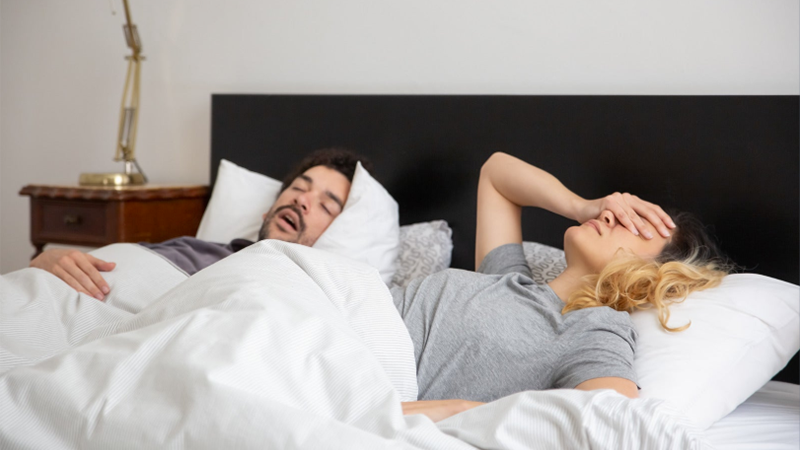
Snoring can be a nightly nuisance. But sometimes, that familiar rumble signals that something you should pay attention to while you or your partner sleep.
Sleep apnoea is a common sleep disorder in which breathing repeatedly stops or becomes restricted during sleep. Because these interruptions happen while you sleep, you may not realise they're happening. Often, a partner or family member notices the loud snoring, pauses in breathing, or sudden gasping first.
In Australia, sleep apnoea is a recognised health issue, with thousands of people undergoing sleep studies each year. Yet many people don’t realise that their poor sleep, daytime tiredness or difficulty concentrating could be connected to their breathing at night.
What is sleep apnoea?
Sleep apnoea means that your breathing is repeatedly interrupted while you sleep.
The most common type is obstructive sleep apnoea (OSA). It happens when the muscles and tissues around the upper airway relax during sleep and partially or completely block the airway. Your breathing may stop for a moment before your brain briefly arouses you and you start breathing again.
This can happen throughout the night, often without you remembering any of it in the morning. But these repeated interruptions can disrupt your sleep and leave you feeling fatigued during the day.
Snoring and sleep apnoea are closely linked, but they are not the same thing. You can snore without having sleep apnoea, and not everyone with sleep apnoea snores loudly.
What are the symptoms of sleep apnoea?
A partner, family member, or anyone who shares your bedroom may notice some symptoms before you do.
Common sleep apnoea symptoms include:
Loud or persistent snoring
Breathing stops during sleep
Gasping, choking or snorting during the night
Restless or disrupted sleep
Waking with a dry mouth
Morning headaches
Waking feeling tired or unrefreshed
Daytime sleepiness or fatigue
Difficulty concentrating or remembering things
Irritability or changes in mood
Sleep apnoea can repeatedly disrupt your sleep even when you believe you have spent enough hours in bed.
If you regularly wake feeling exhausted despite apparently getting enough sleep, it is worth discussing the pattern with a GP.
Who is more likely to develop sleep apnoea?
Anyone can end up with sleep apnoea because it does not discriminate by age or body type. That said, the potential causes of sleep apnoea vary.
Carrying some extra weight or living with obesity is a big one, mostly because extra tissue around the neck can crowd your airway when you lie down flat.
Getting older also plays a role, as the muscles in your throat naturally lose tone over time. If sleep disorders run in your family, your personal risk naturally climbs higher.
Habits like smoking and having a few alcoholic drinks before bed will relax your throat muscles even more, making airway blockages much worse.
Why sleep apnoea shouldn't be ignored
Pushing through the fatigue and pretending sleep apnoea is no big deal can take a massive toll on your overall quality of life. It destroys the restorative sleep your body desperately needs, leaving you sluggish, irritable, and genuinely unsafe if you have to drive or operate machinery while exhausted.
Over time, those constant drops in your blood oxygen levels put extra strain on your cardiovascular system. That process drives up your risk for high blood pressure, heart disease, stroke, and type 2 diabetes.
Your mental health takes a beating too, as ongoing exhaustion often triggers nasty bouts of anxiety and low mood.
How sleep apnoea is diagnosed
Sleep apnoea diagnosis is more than listening to someone snore.
The first step is to talk with a GP about your symptoms and medical history. If you share a bedroom, it can help to tell your doctor what your partner has noticed, like pauses in breathing, gasping, or unusually loud snoring.
Depending on the circumstances, your GP may recommend further assessment or refer you to a sleep specialist.
A sleep study can monitor breathing and oxygen levels while you sleep. Some sleep studies are performed overnight in a sleep laboratory, while home-based testing could work for some people.
How to address sleep apnoea: treatment and management options
Finding the right sleep apnoea treatment can genuinely turn your health around and give you your spark back. Simple lifestyle adjustments can sometimes make a massive difference in how severe your symptoms feel day to day.
Continuous Positive Airway Pressure therapy, known as CPAP therapy, is one of the most reliable medical treatments around, using a bedside machine to deliver a gentle stream of air that keeps your airway open all night.
For some people, a dentist-fitted oral appliance may be appropriate. These devices help move the lower jaw forward to create more space in the airway and may be considered for some people with mild to moderate obstructive sleep apnoea.
In selected circumstances, surgery may also be considered, particularly where there is a specific anatomical obstruction.
The important point is that treatment should follow an appropriate assessment rather than relying on an internet remedy or an over-the-counter product.
Tips for better sleep health
Building solid, everyday habits can go a long way toward supporting your nightly rest and keeping your body healthy.
Working toward a stable, healthy weight with balanced food choices
Getting in some regular physical exercise most days of the week
Cutting back on alcohol in the hours leading up to bedtime
Setting up a consistent sleep routine and a calm wind-down habit
Booking a chat with your doctor the moment persistent symptoms show up
Sleep apnoea is much more than a noisy snore that annoys your partner. If snoring is accompanied by pauses in breathing, gasping, choking or persistent daytime fatigue, there may be more going on than an irritating nighttime sound.
Sleep apnoea is a treatable health condition, but recognising the signs is an important first step. If you or someone close to you has noticed sleep disorder symptoms, talk with your GP about whether further assessment is needed.
Better sleep is not simply about feeling less tired the next morning. It is an important part of looking after your health and wellbeing over the long term.
FAQs
Is snoring always a sign of sleep apnoea?
No, although snoring is common in people with sleep apnoea, it doesn't mean everyone who snores has the condition.
What are the warning signs of sleep apnoea?
Common signs include loud snoring, pauses in breathing, excessive daytime tiredness, headaches, and trouble concentrating.
How is sleep apnoea diagnosed?
Your doctor may recommend a sleep study to monitor your breathing, oxygen levels, and sleep habits.
Can sleep apnoea be treated?
Yes. Treatment options range from lifestyle changes to devices such as CPAP machines and oral appliances.
When should I see a doctor about snoring?
If snoring is accompanied by poor sleep quality and symptoms such as gasping, choking, pauses in breathing, or persistent fatigue, talk to your doctor.
The information provided is general in nature and does not replace professional medical advice.