Thinking About Wearable Tech?
Here’s What You Need to Know
You’ve had a patchy night's sleep, and the first thing you do is check your phone to see just how bad it was. Maybe a random "high heart rate" alert popped up mid-afternoon while you were just sitting at your desk. Or perhaps half your friends are tracking their steps, stress, and sleep stages, and you're quietly wondering if you're missing something?
With the rise in popularity of wearable tech, people understandably want to know if it's useful, or just another expensive gadget collecting dust. With wearable tech in healthcare gaining real traction across Australia, it’s worth knowing how they work, and whether one might genuinely suit your lifestyle.
What Is Wearable Tech (And How Does It Work)?
Think of wearable tech as a constant, low-key health check running quietly in the background of your day.
At its core, wearable tech refers to devices worn on the body that collect and display real-time health and activity data. They sit on your wrist, finger, or chest and work continuously, even while you sleep.
The science behind them is surprisingly simple. Tiny sensors inside the device detect signals from your body, like movement, skin temperature, and light pulses through the skin to measure your heart rate.
That raw data is processed by built-in algorithms and sent straight to an app on your phone, where it's translated into plain-language insights: sleep stages, daily activity, heart health trends, and more.
No lab. No appointment. Just data collected passively as you go about your day.
The Main Types of Wearable Tech
Not all wearable tech is created equal. Different devices suit different lifestyles, so it's worth knowing what's out there.
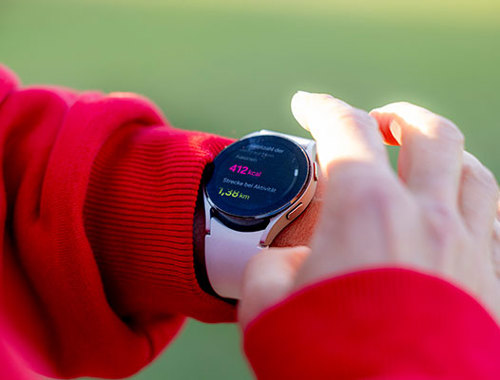
Smartwatches are the all-rounders. Worn on the wrist, they monitor your heart rate, steps, activity, sleep, and stress, and receive your phone notifications. They are loaded with features and highly visible, making them an ideal choice if you’re looking for a single, all-in-one device.
Smart rings are minimalist and discreet. Small bands worn on the finger, they punch well above their weight for sleep and recovery tracking. Without a screen, there's no constant distraction; data syncs quietly to your phone instead. If wearing a watch feels uncomfortable, or you prefer something low-key, a smart ring could be a great fit.
Chest straps are the accuracy specialists. They sit across the chest and use electrical signals — like a clinical ECG — to measure heart rate with exceptional precision. Most popular among people doing high-intensity exercise, they're less suited to all-day wear but hard to beat when precise cardiac data is needed during training.
Not Just For "Fitness People"
Here's the biggest misconception worth clearing up: wearable tech is not just for athletes. If your day is more desk than deadlift, it can still be one of the most useful tools in your health kit.
These devices are built for everyone; the student burning the midnight oil, the office worker sitting at a screen for eight hours straight, the person managing stress, anxiety, or a long-term health condition.
A wearable can flag how sedentary your day has been, prompt gentle movement reminders, and reveal how much physical stress your body is carrying, even on days when you don't feel particularly stressed.
Seeing heart rate trends and sleep patterns over time can be genuinely eye-opening, especially if you've never had that kind of data before.
The purpose isn't to make you into a data expert. It's about helping you spot patterns and make small, informed changes, like going to bed earlier once you understand what a consistently poor night's sleep really looks like in the numbers.
Where Wearable Tech Fits into Healthcare
Wearable tech in healthcare isn't just a trend. It's becoming a useful support tool for people managing real health conditions.
If you're living with high blood pressure, a wearable can't replace a blood pressure cuff. It can still track resting heart rate trends and help you notice whether stress or poor sleep is consistently affecting your cardiovascular baseline.
If you have heart concerns, some devices can detect irregular heart rhythms and encourage further investigation. If you’re dealing with sleep disorders or insomnia, detailed sleep-staging data can provide valuable information for discussions with your doctor.
The keyword throughout all of this is awareness. Wearable tech in healthcare supports health awareness; it does not diagnose conditions. It's a tool that may help you notice patterns earlier and walk into a GP appointment with better information, not a replacement for professional medical advice.
What Can Wearable Tech Actually Track?
More than most people realise. Here's a breakdown across the key categories:
Heart-related: Heart rate (beats per minute), resting heart rate (your baseline when you're relaxed), heart rate variability (the tiny fluctuation between heartbeats — a useful stress and recovery indicator), and irregular rhythm alerts on more advanced devices.
Activity: Steps taken, calories burned, active minutes throughout the day, and automatic workout detection; many devices can recognise when you're walking, running, cycling, or swimming without you needing to press anything.
Sleep: Total sleep duration, sleep stages (light, deep, and REM), nighttime disturbances, and time spent awake. Particularly valuable if you suspect you're not getting the quality rest your body needs.
Recovery and stress: Stress scores derived from heart rate variability, body battery or readiness scores to indicate how recovered you are, skin temperature variation, and blood oxygen saturation (SpO2) on some models.
What If Something Looks Wrong?
Getting an unexpected alert can feel alarming. Before spiralling, take a breath — context matters enormously here.
Don't panic over a single reading. One unusual data point on one night is rarely cause for concern. Ask yourself: is this a pattern, or a one-off? If something looks off once, note it and keep watching. If it keeps appearing over days or weeks, that's worth paying more attention to.
Consider how you actually feel. Your body's signals matter just as much as your device's signals. If the wearable flags something unusual and you feel completely fine, that's useful information too.
Keep a diary. Jot down what the device reports alongside how you actually felt at the time — energy levels, symptoms, stress. It doesn't need to be elaborate. Even brief notes over a week or two build a useful picture.
If you're still worried, see your GP. Bring that diary with you. Most doctors will genuinely appreciate having a log of data to review rather than relying solely on what you remember from the past fortnight.
Is Wearable Tech For You?
Wearable tech isn't a must-have for everyone and being honest about that matters.
It might be worth considering if you: want greater awareness of your day-to-day health; struggle with sleep or stress; are managing a health condition and want ongoing insight between appointments; like tracking progress toward a health goal; or want better data to share with your GP.
It might not suit you if you're unlikely to engage with the data regularly, if constant health monitoring makes you anxious rather than informed, or if the cost doesn't fit your budget right now.
There's no right or wrong answer. The best wearable is the one you'll use. Just keep this in mind: these devices complement your healthcare. They don't replace it.
How Westfund Supports your Health
At Westfund, supporting your health goes beyond cover. Depending on your membership, you may have access to Health and Wellbeing Programs designed to help you build healthier habits and tools like wearable tech can be a great complement to that journey.
Read more about our Health and Wellbeing Programs online, call us on 1300 937 838 or email enquiries@westfund.com.au for more information.
Sources
Australian Institute of Health and Welfare. (2023). Digital health in Australia. AIHW. https://www.aihw.gov.au
Australian Bureau of Statistics. (2022). National Health Survey: First Results. ABS. https://www.abs.gov.au
Heart Foundation Australia. (2022). Heart disease and monitoring. https://www.heartfoundation.org.au
Heart Foundation Australia. (2023). Warning signs of a heart attack. https://www.heartfoundation.org.au
Sleep Health Foundation. (2023). Sleep and young Australians. https://www.sleephealthfoundation.org.au
Consumer Policy Research Centre. (2022). Consumer use of digital health tools in Australia. https://cprc.org.au
Therapeutic Goods Administration (TGA). (2022). Software as a medical device — guidance for wearable health devices. https://www.tga.gov.au